People of all ages often worry about their teeth being out of line. Crooked teeth, gaps, or bite problems can affect oral health, chewing ability, and self-confidence. While traditional braces have long been the most trusted solution for these issues, clear aligners are now increasingly popular as a discreet and comfortable alternative, especially in Pakistan’s urban centers like Lahore, Karachi, and Islamabad.
But do braces truly fix all types of misaligned teeth, and are clear aligners a good choice? Let’s take a closer look.
Understanding Dental Misalignments
Dental misalignments, also known as malocclusions, come in different forms:
- Crowded Teeth: Teeth are too close together in the jaw.
- Gapped Teeth: Teeth have noticeable spaces between them.
- Overbite: Upper teeth overlap the lower teeth significantly.
- Underbite: Lower teeth extend beyond the upper teeth.
- Crossbite: Some upper teeth sit inside the lower teeth when biting.
- Open Bite: Front teeth do not touch when the mouth is closed.
- Rotated or Misplaced Teeth: Teeth are twisted or positioned incorrectly.
Each type of misalignment requires a specific approach, which determines whether traditional braces, clear aligners, or a combination is most effective.
How Braces Fix Teeth That Are Out of Alignment?
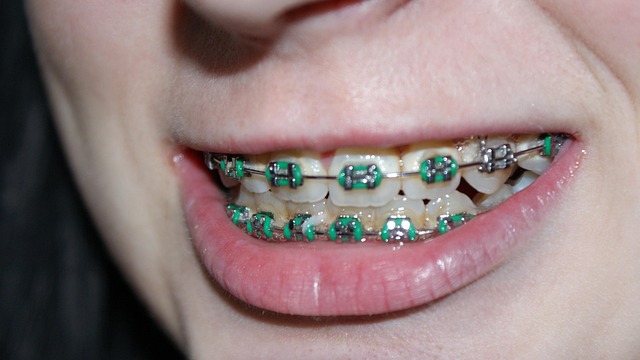
Braces work by applying continuous, gentle pressure on the teeth and jaw over time. Brackets are attached to the teeth, and wires are periodically tightened to guide movement. For more complex bite issues, additional appliances such as elastics, springs, or headgear may be used.
Braces are highly effective for:
- Crowding and Gaps: Braces can close spaces and create room for crowded teeth.
- Bite Problems: Overbites, underbites, crossbites, and open bites can often be corrected, sometimes with additional appliances.
- Rotated or Misaligned Teeth: Teeth are gradually moved into the correct position for both functionality and aesthetics.
- Jaw Alignment Issues: Moderate jaw misalignments can be addressed, though severe cases may require surgery in combination with braces.
Braces are suitable for both children and adults, though adult treatment may take slightly longer due to denser bone structures.
Clear Aligners: A Modern Alternative
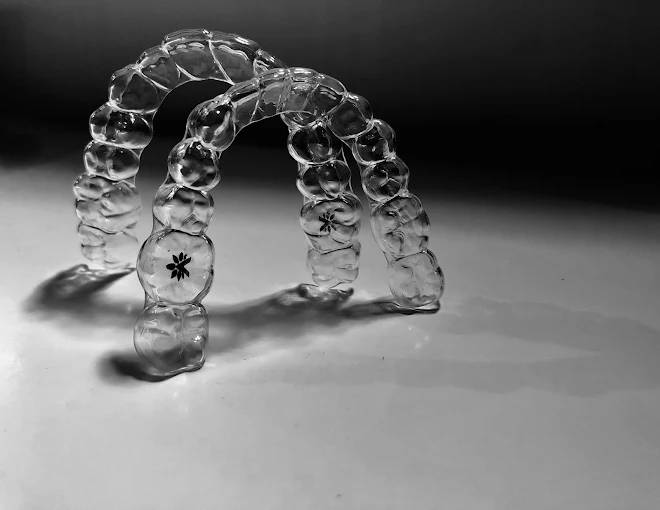
Clear aligners provide a discreet and comfortable option for teeth straightening. In Pakistan, brands like Invisalign and ClearPath are increasingly accessible. Clear aligners consist of custom-made, transparent trays that gradually shift teeth into alignment.
Benefits of Clear Aligners
- Almost Invisible: Perfect for adults and professionals who prefer discreet treatment.
- Comfortable: Smooth plastic trays reduce irritation to gums and cheeks.
- Removable: Eat, drink, brush, and floss without restrictions.
- Fewer Orthodontic Visits: Typically require checkups every 4–6 weeks.
- Effective for Mild to Moderate Misalignments: Ideal for spacing, mild crowding, and minor bite corrections.
While clear aligners may not be suitable for severe bite or jaw issues, they effectively address most common misalignments and are an excellent choice for patients seeking comfort and aesthetics.
Braces vs Clear Aligners in Pakistan
| Feature | Traditional Braces | Clear Aligners |
| Appearance | Highly visible | Transparent and discreet |
| Comfort | May cause irritation | Smooth and gentle on gums |
| Effectiveness | Suitable for mild to severe cases | Best for mild to moderate cases |
| Oral Hygiene | Requires careful brushing and flossing | Easy to clean, trays are removable |
| Dietary Restrictions | Avoid sticky or hard foods | No restrictions, remove trays while eating |
| Dental Visits | Frequent adjustments | Every 4–6 weeks |
| Treatment Duration | 12–36 months depending on severity | 8–18 months for most mild/moderate cases |
In Pakistan, the choice often depends on:
- Severity of Misalignment: Braces for severe cases, aligners for mild to moderate issues.
- Lifestyle and Appearance: Aligners are ideal for adults who want discreet treatment.
- Cost: Braces are generally cheaper upfront, while aligners offer easier maintenance and convenience.
Clear Aligners Cost Vs Metal Braces Cost in Pakistan
The cost of clear aligners in Pakistan typically ranges from PKR 150, 000 to PKR 500,000, depending on the Aligners brand, city, braces specialist, and complexity of the case. Only Aligners Globe offers clear Aligners at an affordable price of PKR 189,000,a fixed price all across Pakistan, with 2 pairs of FREE Retainers without compromising the quality and any additional hidden charges for all types of crooked and spaced teeth.
Aligners Globe is the ONLY Clear Aligners brand in Pakistan which gives Product Guarantee results with money back if the patient does not get optimal results, that’s why all orthodontists, dentists, and patients trust this clear Aligners brand around the world. Metal braces are generally more affordable, PKR 80,000 to 400,000, but many patients consider aligners worth the investment for comfort, appearance, and convenience.
Metal Braces Cost also depends on Location (Government Hospital/Private Clinic), general dentist or an Orthodontist, post-graduate student or Experienced braces Specialist, complexity of the case, etc. Certified Aligners Globe providers in Lahore, Karachi, and Islamabad, and in other citie,s offer both options.