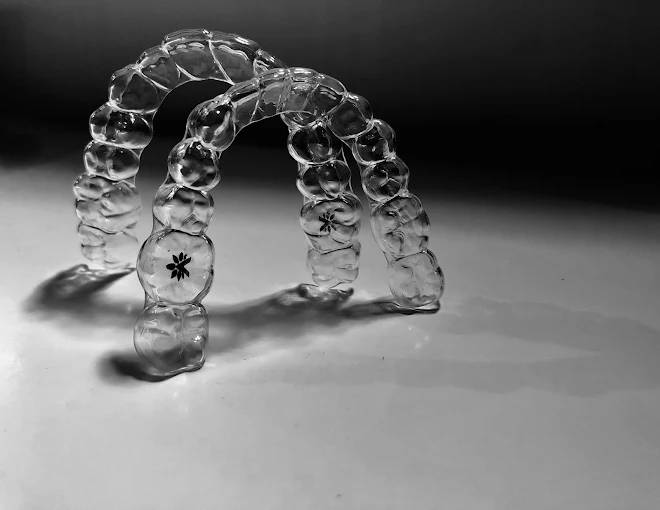

Braces and Aligners are a common and effective way to fix crooked teeth, spacing problems, and uneven bite issues. Many patients want to know how long the process will take before they agree to treatment, even though the results can change their lives. The amount of time it takes to get braces varies from person to person based on the severity of misalignment and spacing between their teeth, upper or lower jaw, or both jaws, how old they are, and how often they get treatment.
Braces usually take 8 to 24 months to straighten teeth properly. Some patients, on the other hand, may finish treatment sooner, while others may need more time for more complicated corrections.
How Long Does It Usually Take to Get Braces?
Most orthodontic treatments take between one and two years. Patients with minor alignment issues, like small gaps or mild crowding, may see results in as little as 6 to 12 months. Most moderate orthodontic cases take 12 to 18 months, but severe misalignment or bite problems can make treatment last 24 to 36 months.
Braces do more than just make teeth straight, so it’s important to remember that. They also fix the alignment of your bite and the position of your jaw, which are important for your long-term oral health and stability. Most of the patients with misaligned teeth complained of cheek bite, tongue ulcers, and jaw pain.
How the Severity of Misalignment Affects How Long Treatment Takes
Braces will take longer to work if the dental problem is more complicated. Teeth that are only slightly crooked move pretty quickly, but teeth that are crowded often need more room to be made before they can be straightened. Repositioning both teeth and jaws for bite problems like overbites, underbites, crossbites, and open bites takes longer, of course, because its involve skeleton problem along with teeth misalignment or spacing.
Orthodontists work to get your bite right so that you don’t have problems in the future, like jaw pain, teeth that wear down unevenly, or trouble chewing.
Does Age Have an Effect on How Long Braces Take?
Age is an important factor in orthodontic treatment. Kids and teens usually see results faster because their jawbones are still growing, which makes it easier for teeth to move. Adults can still get great results with braces, but the treatment may take a little longer because their bones are denser and their jaws are fully grown.
Adult patients may also need more planning or preparatory dental work, which can change the overall timeline for treatment.
How Different Types of Braces Affect the Length of Treatment?
The type of braces used can affect how quickly teeth move. Traditional metal braces are often the best choice, especially for complicated cases, because they let you move teeth with great accuracy. Ceramic braces work the same way, but because they don’t create as much friction, they may take a little longer to work.
Lingual braces, which go behind the teeth, usually take longer because adjustments need to be made with great care. For mild to moderate cases, clear aligners may work faster, but only if you wear them as directed all the time.
Aligners take a shorter time to correct the teeth than braces.
How Patient Compliance Affects the Speed of Treatment?
One of the most important things that affects how long braces take is how well the patient follows instructions. Regular visits to the orthodontist, good oral hygiene, and following all instructions, like wearing elastics, Aligners all help make sure that progress stays steady.
Not showing up for appointments, breaking brackets, losing aligners, aligners breakage, or not getting consistent care can all add months to treatment time. Patients who take an active role in their treatment often see results that are faster and more predictable.
What Happens at Each Step of Braces Treatment?
The first part of treatment is all about getting the teeth to move. In the first few months, teeth start to respond to pressure, and small changes in alignment can be seen.
The middle stage is when most of the visible changes happen. It involves a lot of straightening and correcting the bite.
The last step is to make sure that the teeth are in the right places so that they are comfortable, symmetrical, and stable over time. Every step is important, and if you rush through it, the final result may not be as good.
Why You Need Retainers After Braces?
When braces are taken off, teeth naturally try to move back to where they were before because of the soft bone. Mostly, new bone will take 1 to 2 years to get harder. Wearing a retainer helps keep the results of treatment.
Most orthodontists say that you should wear your retainer all the time at first, and then only at night for a long time. Not using your retainer can undo months or even years of work you did with your braces.
Retainers are of 2 types
- Removable Retainers
2. Fixed retainers
Read more
Final Thoughts: Is It Worth It to Spend Time on It?
Braces usually take one to two years to straighten teeth well, but the exact time frame depends on the patient’s age, braces or Aligners, dental needs, braces type, and commitment. Braces are a good investment because they will help your teeth stay healthy, align properly, and give you a confident smile in the long run.
The best way to get a personalized treatment plan and timeline is to talk to Our Orthodontist.