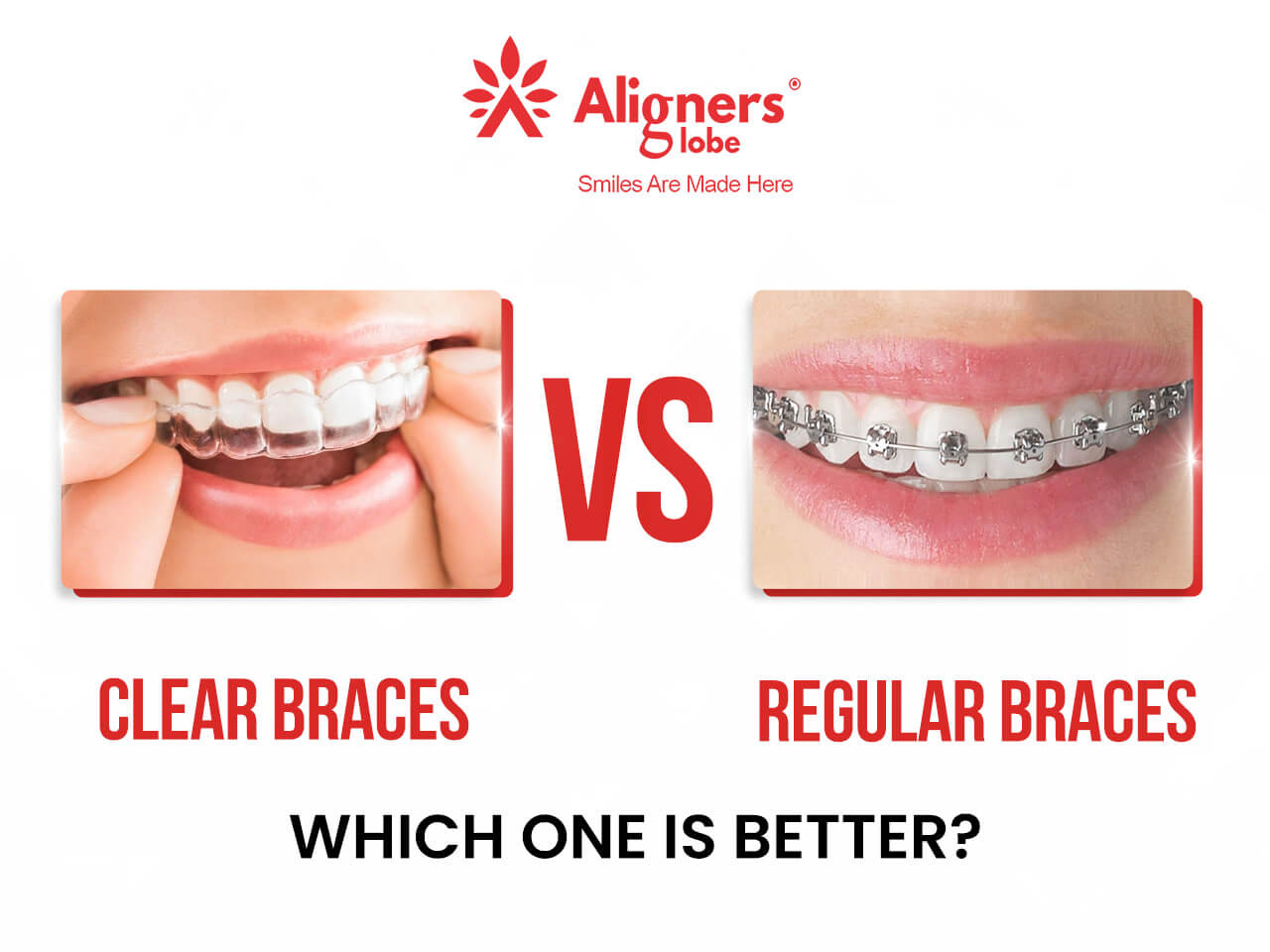
Braces are one of the most common orthodontic treatments. They are meant to fix teeth that are out of alignment, make your bite work better, and improve your overall oral health. Both clear braces and regular metal braces try to do the same thing, but they look different, are made of different materials, are more comfortable, and are easier to clean. Knowing these differences can help you choose the best option for your needs and lifestyle.
Look: Discreet vs. Noticeable
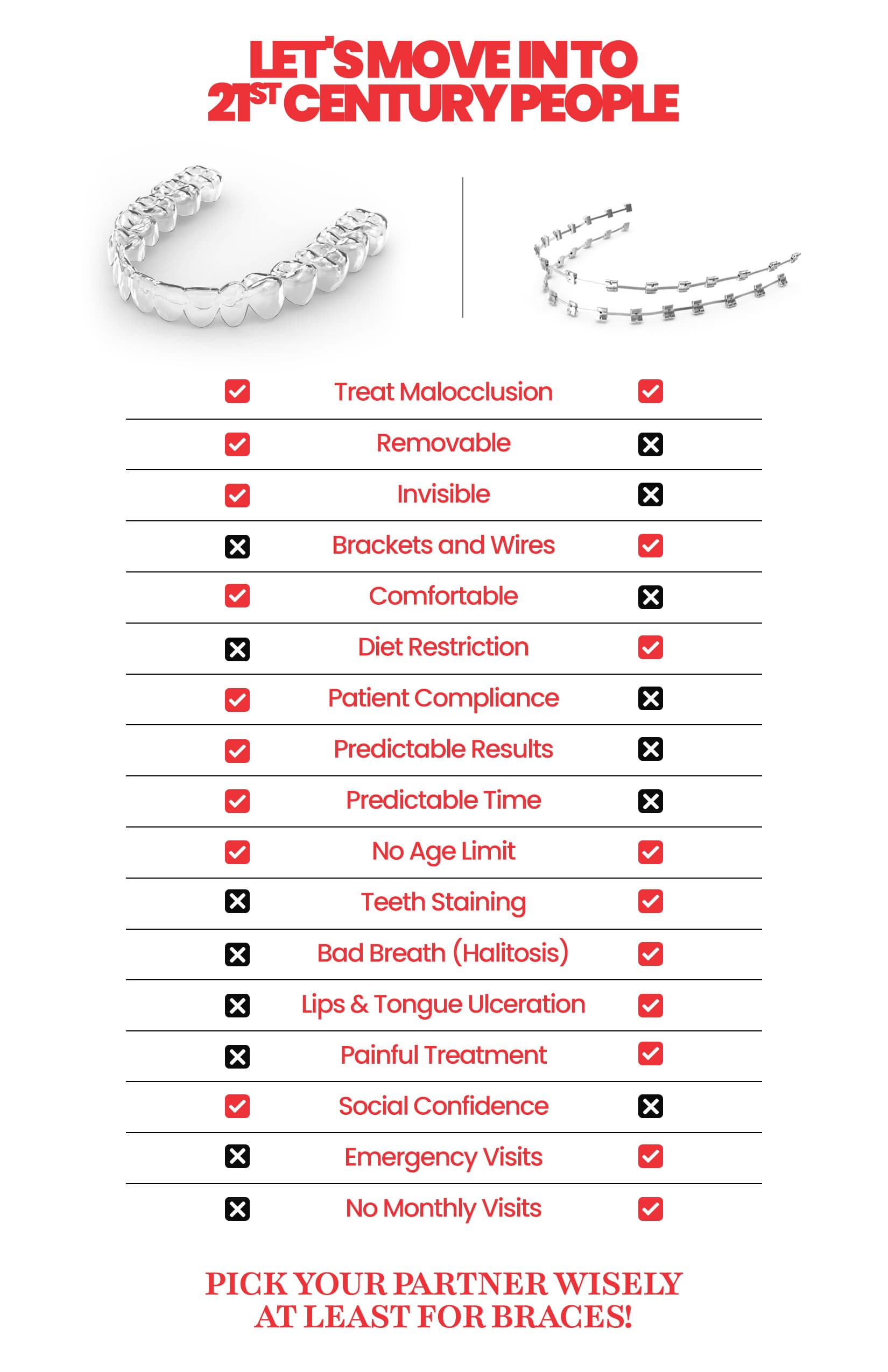
The way they look is one of the most obvious differences between clear braces and regular braces. When you talk or smile, the metal brackets and wires on traditional metal braces are very easy to see. Sometimes, this can make teens and adults feel self-conscious about wearing them.
Clear braces, also called ceramic or transparent braces, are made to look better. The brackets are made of clear or tooth-colored ceramic, and the wires are often coated to match the teeth. This makes them much less noticeable, which is a good option for people who want orthodontic treatment without drawing attention to themselves.
Strength vs. Weakness of Materials
The materials that make up braces affect how long they last and how well they work. Stainless steel, which is very strong and hard to break, is used to make regular metal braces. This makes them good for fixing complicated orthodontic problems and allows for precise adjustments.
On the other hand, ceramic or composite materials are used to make clear braces. Ceramic is strong enough for most standard treatments, but it is more fragile than metal and can chip or crack if it is put under too much pressure or trauma. Because of this, orthodontists may tell people who choose clear braces to take extra care.
Smooth vs. Sturdy: Comfort and Fit
Another important thing to consider is comfort. Braces made of metal can irritate the inside of your cheeks and lips, especially in the first few weeks after placement. Clear braces are generally smoother, which can reduce irritation. However, ceramic brackets are usually a little bigger than metal ones, which can make them feel slightly bulky in the mouth.
Cleaning and Staining
Clear braces require more care when it comes to cleanliness. Metal braces are less likely to stain and are easier to clean. Ceramic brackets, on the other hand, can discolor if they are often exposed to foods and drinks like coffee, tea, red wine, or tomato-based sauces. Maintaining good oral hygiene and avoiding certain foods can help keep clear braces looking their best.
Cost: Affordability vs. Appearance
The two options also differ in terms of cost. Metal braces are usually cheaper because stainless steel is less expensive and widely available. Transparent braces are typically more expensive because ceramic materials cost more and the manufacturing process requires extra work to make them aesthetically pleasing. Many patients consider the extra cost worthwhile for the cosmetic benefits.
Effectiveness: Fixing All Kinds of Misalignment
Both regular and clear braces can address a wide range of dental alignment issues, from minor crowding to more serious bite problems. However, for more complex cases, metal braces are sometimes preferred because they can withstand stronger forces and allow teeth to move precisely where they need to go. For most standard treatments, clear braces are effective, but for very complicated orthodontic corrections, metal braces may have a slight advantage.