When people hear the word “braces,” many still imagine uncomfortable metal wires and a painful smile. In reality, orthodontic treatment has undergone significant changes over the years. Today, braces are more comfortable, more discreet, and more flexible than ever before. Still, one question confuses most patients before starting treatment: which type of braces should I choose, and how do I know what’s best for me?
The right answer is not the same for everyone. The best braces depend on your dental problem, lifestyle, age, budget, and expectations. Understanding how each type works will help you make a confident and informed decision.
Why There Are Different Types of Braces
No two smiles are exactly alike. Some people have mild spacing, while others struggle with severe crowding or bite issues. Because orthodontic problems vary, dentists use different types of braces to move teeth safely and effectively.
Another important factor is lifestyle. A student, a working professional, and someone preparing for marriage may all need different solutions. Some patients prioritize affordability, while others focus on appearance or convenience. That is why orthodontics offers multiple treatment options instead of a single solution.
Metal Braces: The Most Trusted and Time-Tested Option
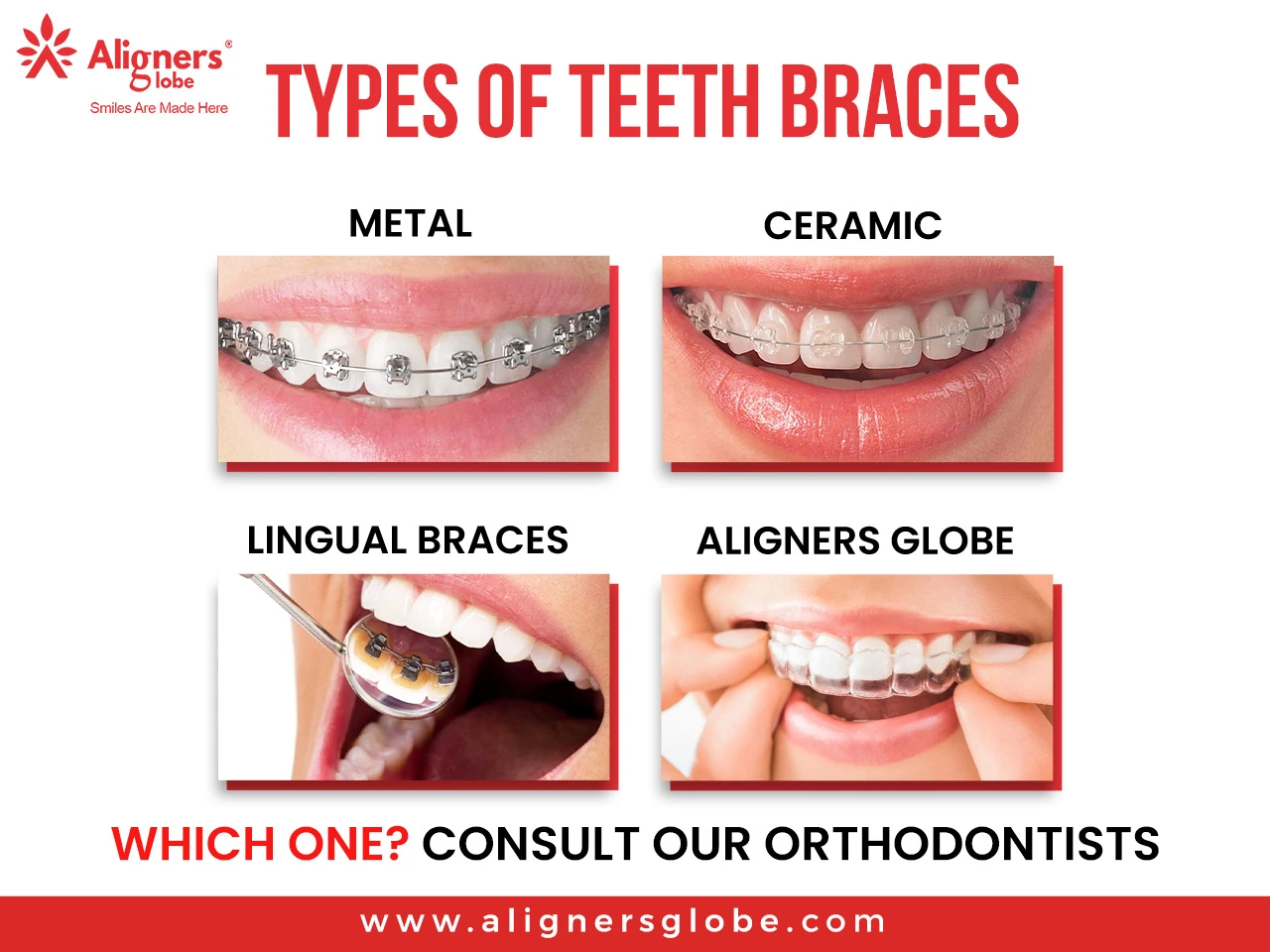
Metal braces are the oldest and most widely used form of orthodontic treatment. They are made of high-grade stainless steel and work by applying steady pressure to move teeth into proper alignment. Despite their visible appearance, they remain one of the most effective options for complex dental cases.
For patients with severe crowding, rotated teeth, or bite problems, metal braces often deliver the most predictable results. They are also the most affordable choice, which makes them popular among families in Pakistan. Many people worry about discomfort, but modern metal braces are far more comfortable than older versions.
If budget is a concern and appearance is not your top priority, metal braces can be an excellent and reliable solution.
Ceramic Braces: A Less Noticeable Alternative
Ceramic braces work the same way as metal braces but use tooth-colored or clear brackets. This makes them blend in better with natural teeth, which is why many adults prefer them. They are especially popular among people who want effective treatment without drawing too much attention.
However, ceramic braces require extra care. Poor oral hygiene can cause the brackets to stain, which affects their appearance. They are also slightly more expensive than metal braces and may not be ideal for patients who struggle to maintain cleaning routines.
Ceramic braces are a good choice for individuals who want a balance between effectiveness and appearance and are committed to proper dental care.
Self-Ligating Braces: Faster and More Comfortable for Some Patients
Self-ligating braces look similar to traditional braces, but they use a special clip system instead of elastic bands. This allows teeth to move more freely and can reduce friction during treatment. Many patients report less discomfort and fewer clinic visits.
These braces are often recommended for patients with busy schedules or those who cannot visit the orthodontist frequently. Treatment time may be slightly shorter in certain cases, but this depends on the individual’s dental condition.
Self-ligating braces usually cost more than traditional metal braces, but some patients feel the comfort and convenience justify the price.
Lingual Braces: Hidden but Highly Specialized
Lingual braces are attached to the inner surface of the teeth, making them invisible from the outside. They are custom-made and require advanced orthodontic expertise. Because of their placement, they can feel uncomfortable initially and may affect speech for a short time.
These braces are typically chosen by professionals who want completely hidden treatment. However, they are among the most expensive options and are not suitable for every dental case. Proper oral hygiene is also more challenging with lingual braces.
Lingual braces are best for patients who strongly prioritize invisibility and are willing to invest in specialized care.
Clear Aligners: Modern, Removable, and Lifestyle-Friendly
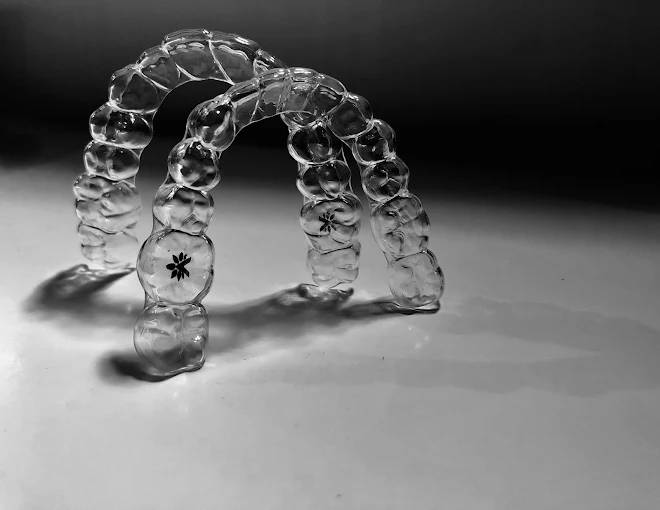
Clear aligners have transformed orthodontic treatment in recent years. These are transparent, removable trays made from medical-grade plastic that gradually move teeth into position. They are nearly invisible and can be removed while eating or brushing.
Aligners are ideal for people who value comfort, hygiene, and aesthetics. However, they require discipline. Patients must wear them for most of the day to achieve results. They are usually recommended for mild to moderate cases and may not be suitable for severe bite problems.
For working professionals, travelers, or individuals preparing for important life events, clear aligners can be a practical and discreet solution.
Which Type of Braces Is Best for You?
The best braces for you depend on more than just looks or price. A proper dental examination is essential to determine the severity of your misalignment, jaw condition, and treatment goals. What works perfectly for one person may not deliver the same results for another.
Patients should ask themselves important questions before deciding. How complex is my dental problem? How much time can I commit to treatment? Can I maintain oral hygiene properly? What is my budget, and am I comfortable with long-term payments?
An experienced orthodontist will evaluate these factors and guide you toward the most suitable option rather than pushing the most expensive one.
Common Mistakes Patients Make When Choosing Braces
Many patients choose braces based on advertisements or recommendations from friends without proper consultation. Others focus only on cost and ignore long-term results. Some opt for invisible options even when their dental condition requires stronger correction.
Choosing the wrong type of braces can lead to longer treatment time, poor results, or the need for re-treatment later. This not only increases cost but also causes frustration.
Final Thoughts: Making the Right Decision With Confidence
Orthodontic treatment is a long-term commitment, and choosing the right type of braces is the foundation of a successful outcome. In Pakistan, patients now have access to multiple treatment options that fit different needs, budgets, and lifestyles.
Instead of asking which braces are “best,” the smarter question is which braces are best for my teeth, my life, and my expectations. With proper guidance, realistic goals, and consistent follow-up, any of these braces can help you achieve a healthy, confident smile that lasts a lifetime.
Book Your Clear Aligner Consultation Today!