For those who wish to straighten their teeth without the visible presence of traditional braces, clear aligners have gained popularity. However, not everyone is a good fit for this method, just like with any orthodontic therapy. If you’re contemplating clear aligners, it’s crucial to understand who can benefit the most from them. The best candidates for clear aligners will be thoroughly examined in this article, along with the elements that make this procedure successful.
Clear Aligners: What Are They?
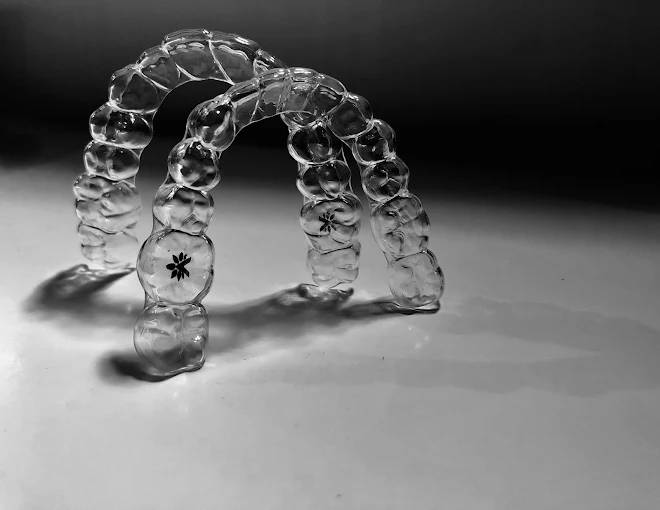
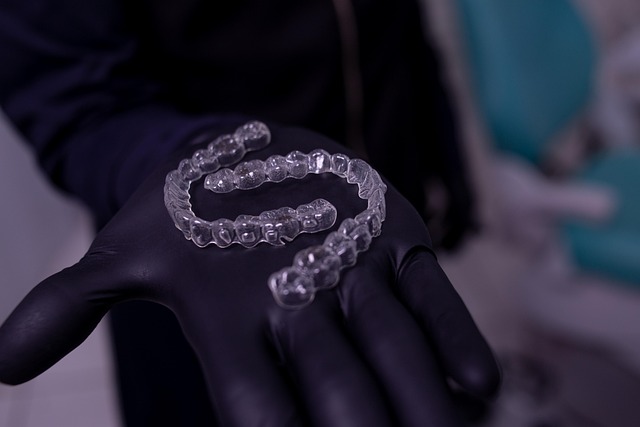
Let’s define clear aligners before we talk about who should use them. A set of clear, plastic trays that are specially designed to fit your teeth and gradually move them into alignment are known as clear aligners. Clear aligners are pleasant, detachable, and nearly undetectable while used, in contrast to conventional metal braces that require brackets and wires.
Clear Aligners’ Benefits Include:
- Discreet Appearance: Aligners are practically unnoticeable, making them appropriate for adults or anybody searching for a more modest orthodontic option.
- Comfort: Smooth plastic materials make transparent aligners comfortable to wear without the discomfort associated with metal braces.
- Removability: You can remove the aligners to eat, drink, brush, and floss, allowing for better dental hygiene and greater flexibility.
How Do Clear Aligners Operate?
Clear aligners operate by exerting light pressure on your teeth to shift them into their right locations. With only brief pauses for eating, drinking (apart from water), and cleaning, they are worn for roughly 20 to 22 hours every day. Every few weeks, the aligners are changed, and with each new pair, your teeth are positioned somewhat differently. A healthier, straighter smile is the end result.
Types of Dental Issues Clear Aligners Can Correct
Clear aligners are successful at treating a range of common dental disorders, however, they are best suited for mild to moderate misalignments. Here are some of the concerns clear aligners can help with:
1. Crowded Teeth
Crowded teeth arise when there isn’t enough space in the jaw for all of your teeth to align properly. Clear aligners can gently reposition these teeth into more optimum locations, eliminating overcrowding and creating a more even smile.
2. Spacing Issues (Gaps Between Teeth)
People with gaps between their teeth can benefit from clear aligners. The trays can assist push the teeth closer together, improving both the function and appearance of your smile.
3. Overbite
When the top teeth jut out too far over the lower teeth, it’s called an overbite. Clear aligners are a successful method for correcting mild to moderate overbites, putting the upper and lower teeth into a more harmonic relationship.
4. Underbite
An underbite occurs when the lower teeth expand outward beyond the upper teeth. Clear aligners can help realign the teeth, resolving this bite problem over time.
5. Crossbite
When the mouth is closed, the top teeth with a crossbite rest inside the lower teeth, which can cause uneven wear, gum disease, or even bone loss. Clear aligners can realign the teeth to fix this bite misalignment.
6. Open Bite
An open bite arises when the upper and lower teeth don’t meet properly when biting down. Clear aligners can reposition the teeth so they establish adequate contact, eliminating the open bite.
Who Would Be a Good Fit for Clear Aligners?
Clear aligners are not suitable for everyone. Even if they have many advantages, some traits and circumstances make a person a perfect candidate for this treatment. Let’s dissect them:
1. Adults and Teens with Mild to Moderate Misalignments
Clear aligners are most beneficial for those with mild to moderate orthodontic difficulties. Traditional braces might be a better choice for people with more complicated conditions, like severe bite disorders or excessive teeth misalignments. Here’s how transparent aligners suit different age groups:
- Teens: Teens who don’t like the notion of traditional braces are increasingly using clear aligners. However, because teens’ jaws are still developing, it’s crucial to visit an orthodontist to confirm they are a suitable candidate.
- Adults: Clear aligners are a terrific alternative for adults who want to avoid the visual difficulties of metal braces. Adults who have completed their jaw development and have modest to moderate dental misalignments can benefit substantially from clear aligners.
2. Good Oral Health
The teeth and gums of candidates for clear aligners must be in good condition. If you suffer from untreated cavities, gum disease, or other oral health problems, your orthodontist will likely recommend addressing these issues first before commencing aligner treatment. Regular dental examinations are vital to ensure your mouth is in the best health possible before receiving any orthodontic treatment.
3. Responsible and Compliant Patients
A considerable amount of dedication is needed for clear aligners. To be successful, they must be worn for 20–22 hours per day. A person who can wear the aligners consistently—taking them off only to eat, drink, and clean—is therefore the perfect candidate for transparent aligners.
Because traditional braces don’t require the same level of patient compliance, they might be a better option for patients who have trouble following instructions or who can’t commit to wearing aligners for long enough.
4. Individuals Seeking a Covert Treatment Choice
The discreteness of clear aligners is one of their main benefits. For those who don’t want to draw attention to their orthodontic treatment, clear aligners are a great option because they are almost undetectable. If you’re concerned about the appearance of metal braces, clear aligners are an amazing solution that allows you to straighten your teeth without anybody seeing.
5. Individuals with Completely Developed Jaws
For those whose jaw growth is complete, clear aligners work best. This often applies to adults and late teens. Braces may be a preferable choice for younger kids or those whose jaws are still developing since they provide greater control over the development of the jaw.
Who Might Not Be a Good Candidate for Clear Aligners?
Although many people find transparent aligners to be very effective, they might not be the ideal choice for everyone. Clear aligners might not be appropriate in the following situations:
1. Severe Misalignments or Complex Bite Issues
For mild to severe orthodontic issues, clear aligners work best. If you have more complex issues—like severe overbites, underbites, or considerable dental crowding—traditional braces may provide more control and be more effective in repositioning your teeth.
2. Complicated Jaw or Dental Conditions
Some patients may require more complex orthodontic therapy. If you have structural concerns with your jaw or need jaw surgery, clear aligners may not be enough. In certain situations, a more thorough treatment plan involving braces or other orthodontic appliances may be required.
3. Patients Who Don’t Comply
People who know they won’t wear their aligners for the prescribed amount of time each day are not good candidates for clear aligners because they rely primarily on patient compliance. For these people, traditional braces—which are fastened to the teeth—are a preferable choice because they don’t depend on patient compliance.
4. Young Children
Clear aligners are recommended for persons who can follow instructions and wear them regularly. Other orthodontic treatments, including traditional braces, should be considered for young children who might not be able to properly handle their aligners.
The Importance of Professional Consultation
The only way to fully evaluate if you’re a good candidate for clear aligners is by meeting with an orthodontist or dentist who specializes in clear aligner therapy. During a consultation, your orthodontist will:
- Evaluate the alignment of your teeth and bite.
- Take digital impressions or scans to develop a customized treatment plan.
- Talk about your objectives and suggest the best course of action.
To make sure that clear aligners are the best option for your particular needs, this expert advice is essential.
Final Thoughts
Clear aligners offer a modern, simple solution to straighten teeth with a minimal impact on your lifestyle. They’re appropriate for those with mild to moderate misalignments who are determined to follow the treatment regimen. For people with more complicated dental problems, they might not be the ideal choice.
Making an appointment with an orthodontist is the first step if you believe clear aligners might be the best choice for you. They will evaluate your needs and assist you in choosing the best course of action for getting a healthier, straighter smile.