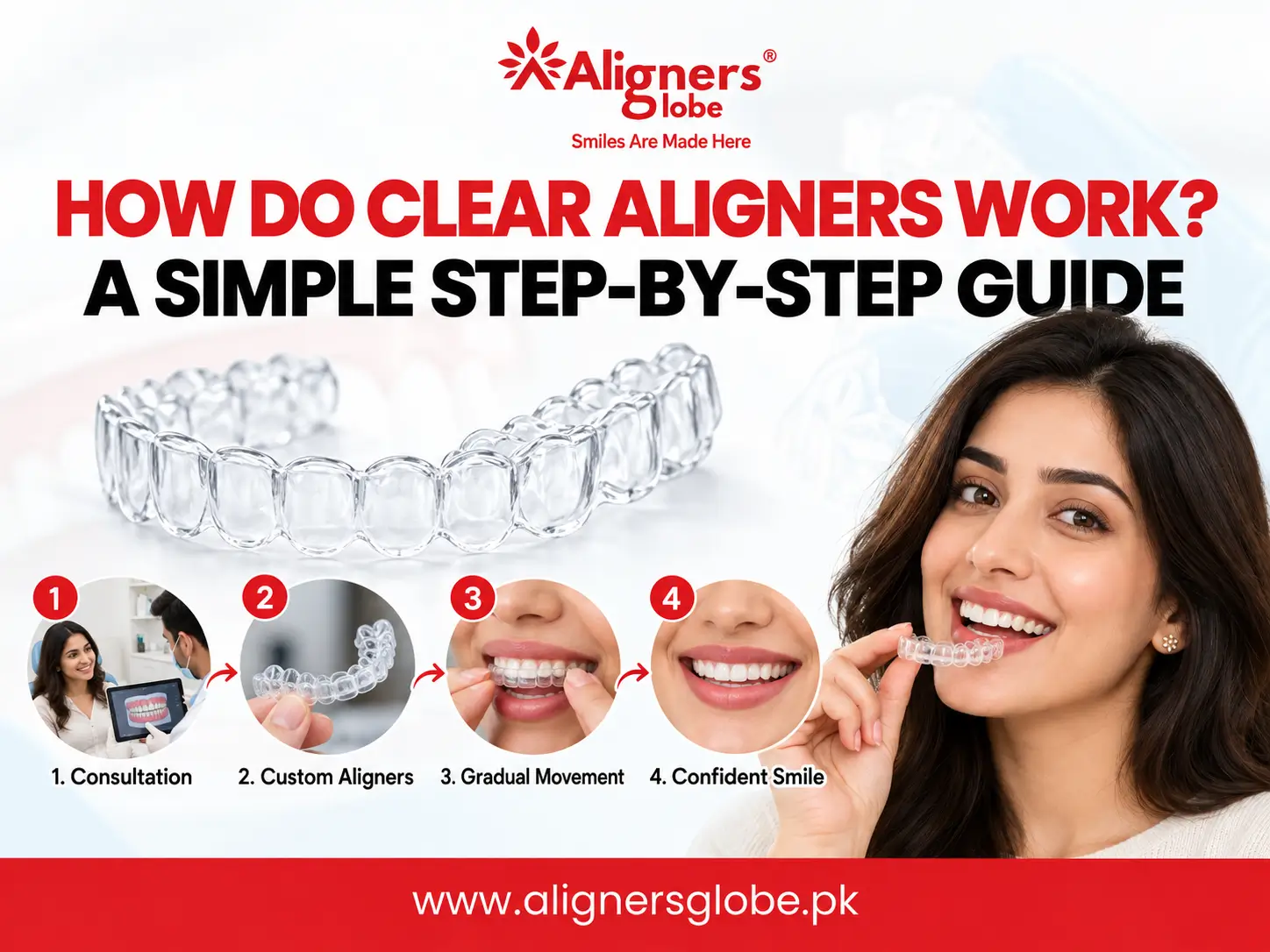
How Do Clear Aligners Work? A Simple Step-by-Step Guide
Clear aligners straighten teeth by applying gentle, controlled pressure that gradually moves them into their planned positions.
Instead of using wires and brackets, clear aligners use a series of custom-made, transparent trays. Each tray makes a small adjustment, and you move to the next one as your treatment progresses.
The entire journey is planned using a digital 3D treatment plan, allowing your dentist to map out how your teeth are expected to move from the first tray to your final smile.
Quick Answer: How Do Clear Aligners Work?
- Clear aligners use gentle, consistent pressure to gradually move teeth.
- Each tray is designed for a specific stage of your treatment.
- Aligners are typically changed every 1–2 weeks.
- They should be worn for around 20–22 hours per day.
- Treatment commonly takes 6–18 months, depending on your case.
- A retainer is used after treatment to help maintain your results.
What Are Clear Aligners?
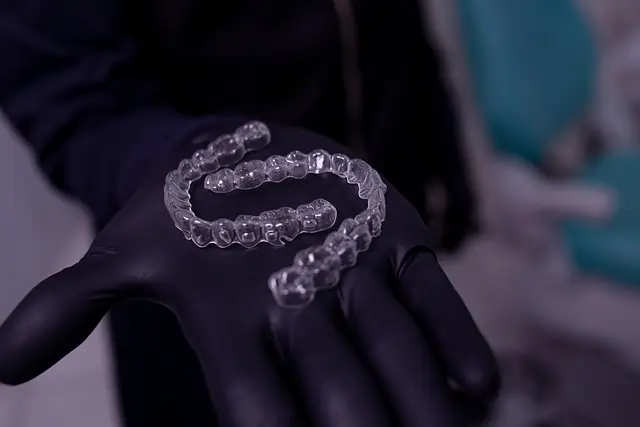
Clear aligners are thin, transparent trays made from medical-grade plastic that fit closely over your teeth.
They are a discreet alternative to traditional braces and are often called invisible braces or transparent braces because they are difficult to notice when worn.
Unlike fixed braces, clear aligners can be removed when you need to:
- Eat
- Drink anything other than water
- Brush and floss
- Clean your aligners
Because there are no wires or brackets, many people find aligners convenient for everyday life.
How Do Clear Aligners Move Your Teeth?
The science behind clear aligners is simple: controlled pressure + time = gradual tooth movement.
Your teeth are supported by surrounding tissues and ligaments that allow them to move slowly when gentle, consistent force is applied.
Each aligner is slightly different from the position of your teeth at that stage of treatment. When you wear it, the tray applies light pressure to specific teeth.
Over the next one or two weeks, those teeth gradually move toward their planned positions.
Then, you switch to the next tray.
This process repeats throughout your treatment.
Think of it as a series of small, planned movements rather than one large change. Each aligner takes you one step closer to your final smile.
The Clear Aligner Treatment Process
Wondering what happens after you decide to get clear aligners?
Here is the typical treatment journey from your first consultation to your final retainer.
Step 1: Start With a Dental Consultation
Your treatment begins with a consultation with a dentist.
The dentist evaluates:
- Your teeth and gums
- Your bite
- Tooth alignment
- The result you want to achieve
Clear aligners can treat many common concerns, including crowding, gaps, crooked teeth, and mild to moderate bite problems.
However, every case is different, so your dentist needs to determine whether aligners are suitable for you.
Step 2: Get a Digital 3D Scan
Once clear aligners are considered suitable, a digital scanner can create a detailed 3D model of your teeth.
This replaces the need for traditional dental impressions in the treatment process described here.
The scan provides the foundation for planning how your teeth should move.
Step 3: Create Your 3D Treatment Plan
Your digital scan is used to create a customized treatment plan.
The plan maps out the expected movement of your teeth throughout treatment and determines:
- How your teeth should move
- The number of aligners required
- The expected treatment timeline
In many cases, you can also preview the expected final result before treatment begins.
Step 4: Your Aligners Are Made
Once your treatment plan is approved, your custom aligners are manufactured to fit your teeth.
Each tray represents a specific stage of your treatment.
The trays are designed to work together as a sequence, with each new aligner continuing the movement started by the previous one.
Step 5: Wear Your Aligners Every Day
For treatment to stay on track, aligners should generally be worn for 20–22 hours per day.
You remove them when eating, drinking anything other than water, and cleaning your teeth.
Consistent wear is one of the most important parts of successful treatment. The closer you follow your dentist’s instructions, the more smoothly your treatment can progress.
Step 6: Move to Your Next Aligner
Your dentist will tell you when to change to the next tray, commonly every 1–2 weeks.
You may notice some mild pressure or tightness when starting a new aligner.
This is generally expected as the new tray begins guiding your teeth toward their next planned position.
Step 7: Track Your Progress
Your dentist checks your progress at scheduled points during treatment.
These check-ins help confirm that your teeth are moving as planned.
If adjustments are needed, your dentist can modify the treatment approach to keep your progress on track.
Step 8: Protect Your New Smile With a Retainer
Finishing your final aligner does not mean the journey is completely over.
Your teeth need time to settle into their new positions.
A retainer helps hold them in place and reduces the chance of them gradually shifting back.
Following your dentist’s retainer instructions is an important part of maintaining your results.
How Long Do Clear Aligners Take to Work?
Most clear aligner treatments take around 6–18 months, although the exact timeline varies from person to person.
You may notice early changes within the first few weeks, but the complete treatment takes longer because teeth need to move gradually.
Treatment time mainly depends on:
How much movement is required
Minor crowding or small gaps may require less time than more complex movements.
How consistently you wear your aligners
Wearing your trays for the recommended 20–22 hours per day helps keep treatment on schedule.
Who Can Get Clear Aligners?
Clear aligners are suitable for many teenagers and adults who want to straighten their teeth discreetly.
They are commonly used to address:
- Crowded teeth
- Overlapping teeth
- Gaps between teeth
- Crooked teeth
- Rotated teeth
- Mild to moderate overbite
- Mild to moderate underbite
- Mild to moderate crossbite
However, more severe or complex orthodontic problems may require another treatment approach.
The best way to know whether clear aligners are right for you is to have your teeth assessed by a qualified dentist.
How to Clean and Care for Clear Aligners
Taking care of your aligners helps keep them clean and supports good oral hygiene throughout treatment.
Follow these simple habits:
Rinse After Removing Them
Rinse your aligners whenever you take them out.
Clean Them Gently
Use a soft brush and lukewarm water. Avoid hot water because heat can warp the plastic.
Keep Your Teeth Clean
Brush and floss your teeth before putting your aligners back in.
Use the Aligner Case
When your trays are not in your mouth, keep them in their case instead of wrapping them in a napkin where they could accidentally be thrown away.
Drink Water While Wearing Them
Remove your aligners when drinking anything other than water. Sugary or coloured drinks can contribute to staining your trays and teeth.
Clear Aligners vs. Traditional Braces
Both clear aligners and braces use controlled force to gradually move teeth, but the treatment experience is different.
| Feature | Clear Aligners | Traditional Braces |
| Appearance | Nearly invisible | Visible metal or ceramic |
| Removable | Yes | No |
| Eating | Remove before eating | Remain in place |
| Cleaning | Easier access to teeth | Requires extra care around brackets and wires |
| Comfort | No wires or brackets | Wires and brackets may irritate cheeks and lips |
| Typical use | Many mild to moderate cases | Can treat mild to complex cases |
The right option depends on your dental needs, treatment goals, budget, and personal preferences.
Learn more about clear aligners and transparent braces pricing.
Clear Aligners in Pakistan
Clear aligner treatment is available across major cities in Pakistan, including Lahore, Karachi, and Islamabad.
Aligners Globe provides custom clear aligners with digital 3D planning and dentist-supervised care through a network of partner clinics.
If you are researching your options, you can explore:
Frequently Asked Questions About Clear Aligners
Do Clear Aligners Really Work?
Yes. Clear aligners move teeth using gentle, sustained pressure, similar to the basic principle used with braces. Your results depend on your treatment plan and consistent wear.
Are Clear Aligners Painful?
You may experience mild pressure or tightness, particularly when switching to a new tray. This usually becomes easier as your teeth adjust.
How Many Hours a Day Should I Wear Clear Aligners?
Clear aligners should generally be worn for 20–22 hours per day. Remove them for eating, drinking anything other than water, and cleaning your teeth.
Can Clear Aligners Fix Gaps and Crooked Teeth?
Yes. Clear aligners can commonly be used for gaps, crooked teeth, crowding, and rotated teeth in mild to moderate cases. A dentist can determine whether they are suitable for your specific situation.
What Happens After Clear Aligner Treatment?
After completing your final aligner, you will typically need to wear a retainer to help maintain your new tooth positions and reduce the risk of shifting.
How Much Do Clear Aligners Cost in Pakistan?
The cost varies depending on factors such as the complexity of your case and the number of aligners required.
For current information, see the clear aligner pricing guide.
Ready to Start Your Clear Aligner Journey?
Clear aligners offer a discreet and convenient way to gradually straighten your teeth without traditional wires and brackets.
From your initial consultation and digital 3D scan to your final retainer, every stage is designed around a planned sequence of tooth movements.
The first step is finding out whether clear aligners are suitable for your smile.
Book a free consultation with Aligners Globe and explore your treatment options.